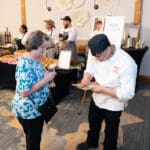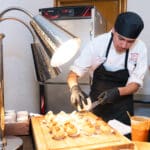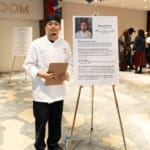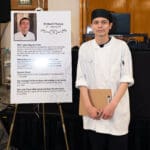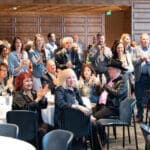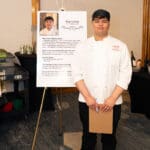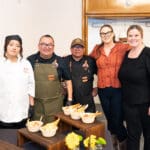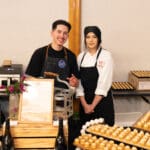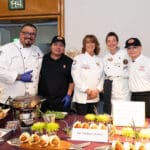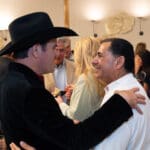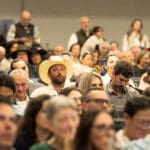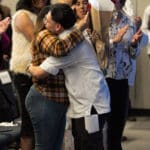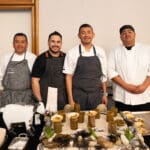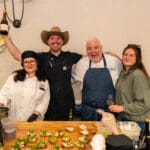
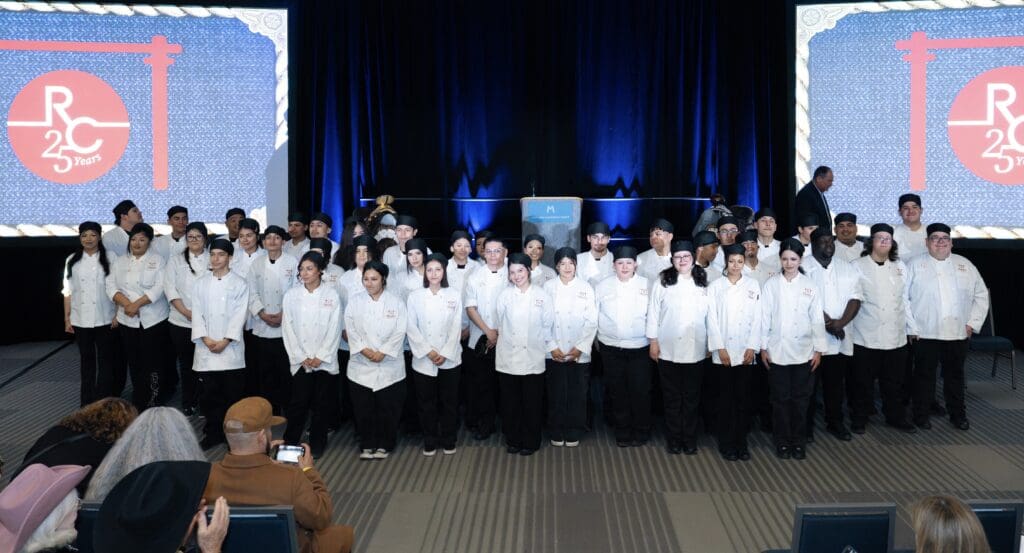
On Sunday, February 22, Rancho Cielo hosted its 16th annual Culinary Round Up (CRU) at the Portola Hotel & Spa. The ballroom filled the way it always does, slowly at first, then all at once. A hum of glassware and conversation. Linen and light and aromatic bliss.
Year after year, CRU has grown not in spectacle alone, but in reach. What began as a hopeful gathering of Drummond Culinary Academy (DCA) students has become something steadier, more assured. Thanks to the City of Monterey, this year there was room to breathe through expanded space at the Monterey Conference Center—room for the crowd and the quiet understanding that this work matters.
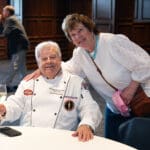
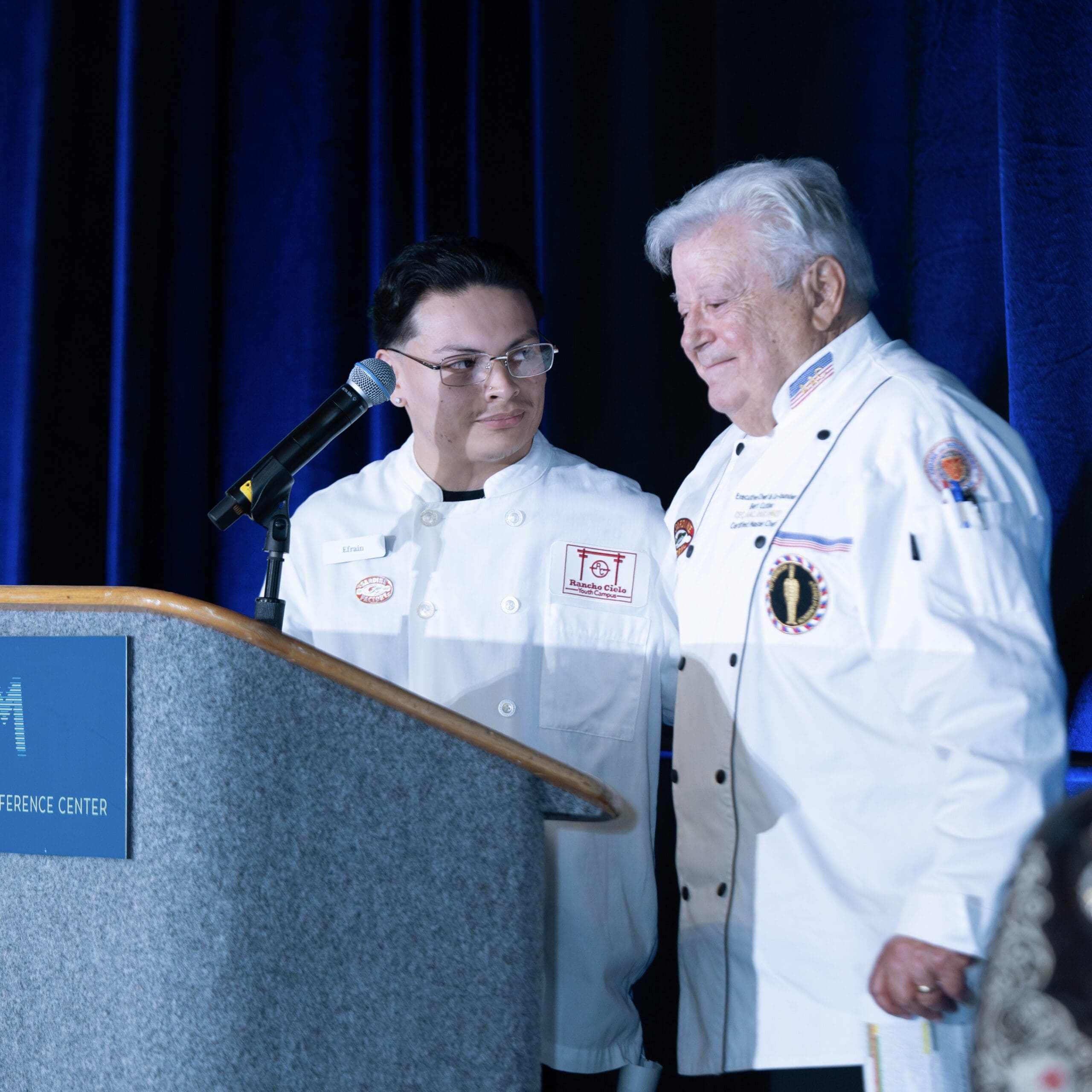
Local chef and longtime Rancho Cielo supporter Bert Cutino, co-chair of the CRU committee, stood watching the students move through the room in pressed jackets and steady hands. He has seen enough years of this to understand what it represents.
“We are trying to give the students an opportunity in life,” Cutino said. “A lot of these kids didn’t have that opportunity, and today they will. All the students who are graduating now and all the students who will graduate in the future will be the success that relates to Rancho Cielo.”
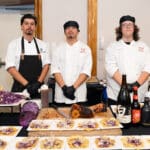
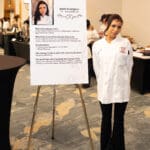
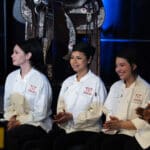
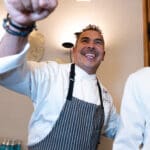
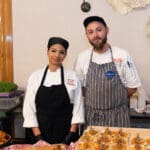
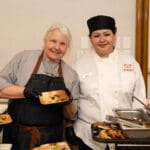
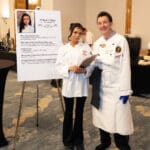
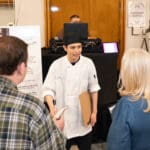
Chefs from Roy’s at Pebble Beach and the Sardine Factory to Cultiva and Woody’s at the Airport worked side by side with Rancho Cielo students, presenting a strolling dinner that felt less like a menu and more like a map of possibility.
There were corundas wrapped in Swiss chard with bean purée and Momma Rebeca’s salsa. Baker’s Bacon pork belly bao with pickled slaw. Moroccan lamb stew spooned carefully over couscous with cool raita. Beef cheek croquettes, crisp and somehow weightless despite their richness. Each small plate required patience, repetition, the discipline of detail, the same qualities these students are learning to apply to their own lives.
Nearly 100 sponsors, more than 30 restaurants, over 15 wineries, breweries and libation partners. 900 guests moving from station to station. The numbers suggest scale; the effect was something more intimate. Community is built this way—incrementally, through shared tables and shared stories.
Since its inception in 2010, CRU has evolved into a singular event: an evening of food and wine, raffles and auctions, certainly, but also a public demonstration of faith. It showcases the collaboration between DCA students and some of Monterey County’s most esteemed chefs. It highlights every Rancho Cielo pathway, including the newest: Classic Car Restoration, launched in 2023.
Founder John Phillips—Judge Phillips to most—spoke plainly about why these programs matter, particularly the newest one.
“I want programs that these kids are not going to have the ability to learn anywhere else,” he said. “There are 43 million classic cars in the United States. And the average age of people working on classic cars is 69 years old.”
It is, in its way, a race against time as knowledge ages out, opportunity slips quietly away unless someone chooses to pass it on. At Rancho Cielo, that passing on is deliberate.
Yet beyond Rancho Cielo’s programs, CRU remains what it has always been: a visible promise. Guests meet the students. They hear what came before and glimpse what may come next. They witness vocational training not as an abstraction but as motion — knives slicing, confidence taking hold.
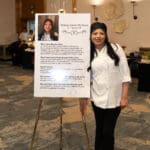
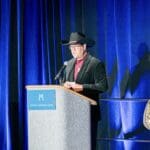
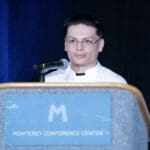
This year’s student speaker, second-year DCA student Efrain Villa-Valdez, stood at the podium with his mother in attendance. His voice was steady, though his story was not simple.
Born in Reno and raised amid instability—domestic violence, addiction and periods of homelessness—Efrain grew up believing this was simply how life was arranged. As the oldest of six, he learned vigilance before ease, protection before possibility. At ten, he made the painful decision to leave his mother and return to Salinas, chasing the memory of safety he had with his father.
“Growing up, I thought my life was normal,” Efrain said. “It never occurred to me that a home filled with abuse and addiction is not what a childhood is supposed to look like. Not having a home was never something I expected. It was a daily struggle to survive — physically, emotionally and mentally.”
The turning point came through Rancho Cielo’s culinary program. In the order of a kitchen, its structure, its standards, he found something he had not known before: control and a measurable way forward.
Now working at the Sardine Factory and pursuing new goals, Efrain stands in a different light. His mother is sober. His posture is straighter. The future, once theoretical, feels constructed.
“From the moment my Rancho Cielo journey began, I felt a new sense of hope, like there was finally light at the end of the tunnel,” he said. “For the first time in my life, I’m not just surviving, I’m building a future.”
CRU will continue to grow. The guest list may lengthen. The plates may become more inventive. But what endures is harder to quantify: a room filled with people who believe that opportunity, once offered, can alter the trajectory of a life — and that sometimes transformation begins not with grand declarations, but with a single, steady hand, plating food under bright lights.